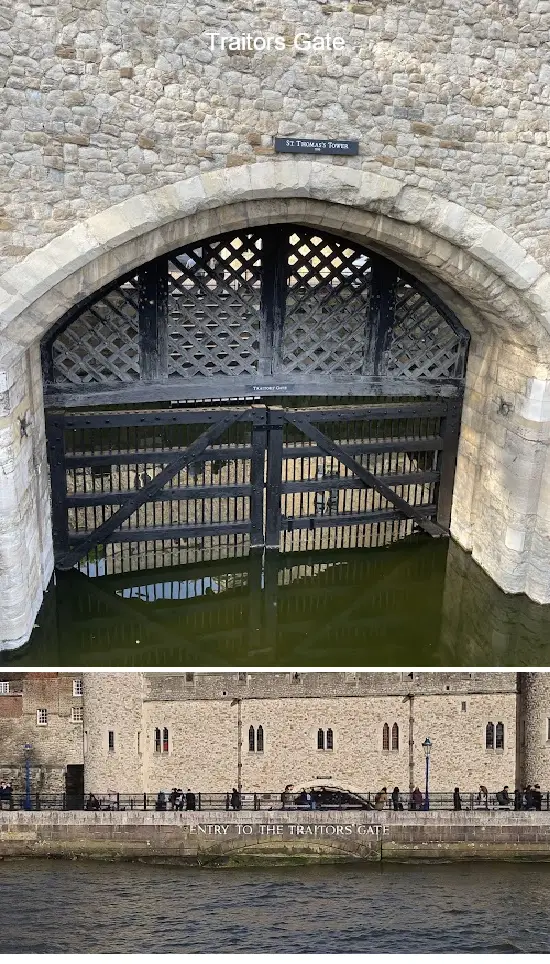
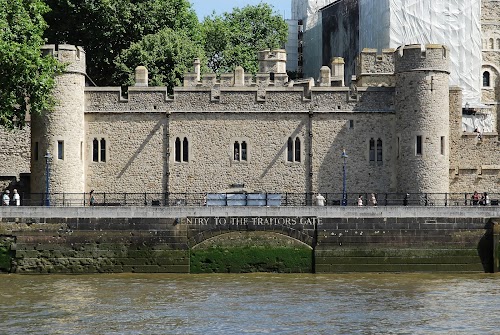
5 /5 J Sk: For centuries, British prisoners accused of treason faced a terrifying journey into the Tower of London through Traitors’ Gate. Originally known as Water Gate, it was built in the late 1270s along the River Thames, allowing King Edward I and other royals to enter St. Thomas’s Tower by water. At that time, the tower served as a royal residence.
As the Tower of London transitioned into a prison, Traitors’ Gate became the entry point for prisoners accused of treason. The name “Traitors’ Gate” was first used in 1544. This gate witnessed the arrival of many notable figures, such as Sir Thomas More, Sir Walter Raleigh, and Queen Elizabeth I before she became queen. There is some debate about whether Queen Anne Boleyn was also brought through this gate.
The gate’s location meant prisoners often passed under London Bridge on their way to the tower. Until the late 17th century, the heads of executed prisoners were displayed on pikes beneath the bridge, a gruesome sight for those being led to the tower.
Hundreds of prisoners passed through Traitors’ Gate over the centuries, many never to return alive. In the mid-19th century, the outer archway of the gate was bricked up due to rising water levels, but it remains clearly labeled for those viewing it from across the river.
Traitors’ Gate stands as a chilling reminder of the Tower of London’s dark history, its legacy etched in the stone walls that bore witness to the final journeys of many historical figures.